
Bring Back More Than Your Smile. Restore Confidence, Comfort, And Function
Dental implants replace both the visible tooth and the root beneath it. This helps support long-term bone health while providing a stable, natural-looking solution designed to last for years.
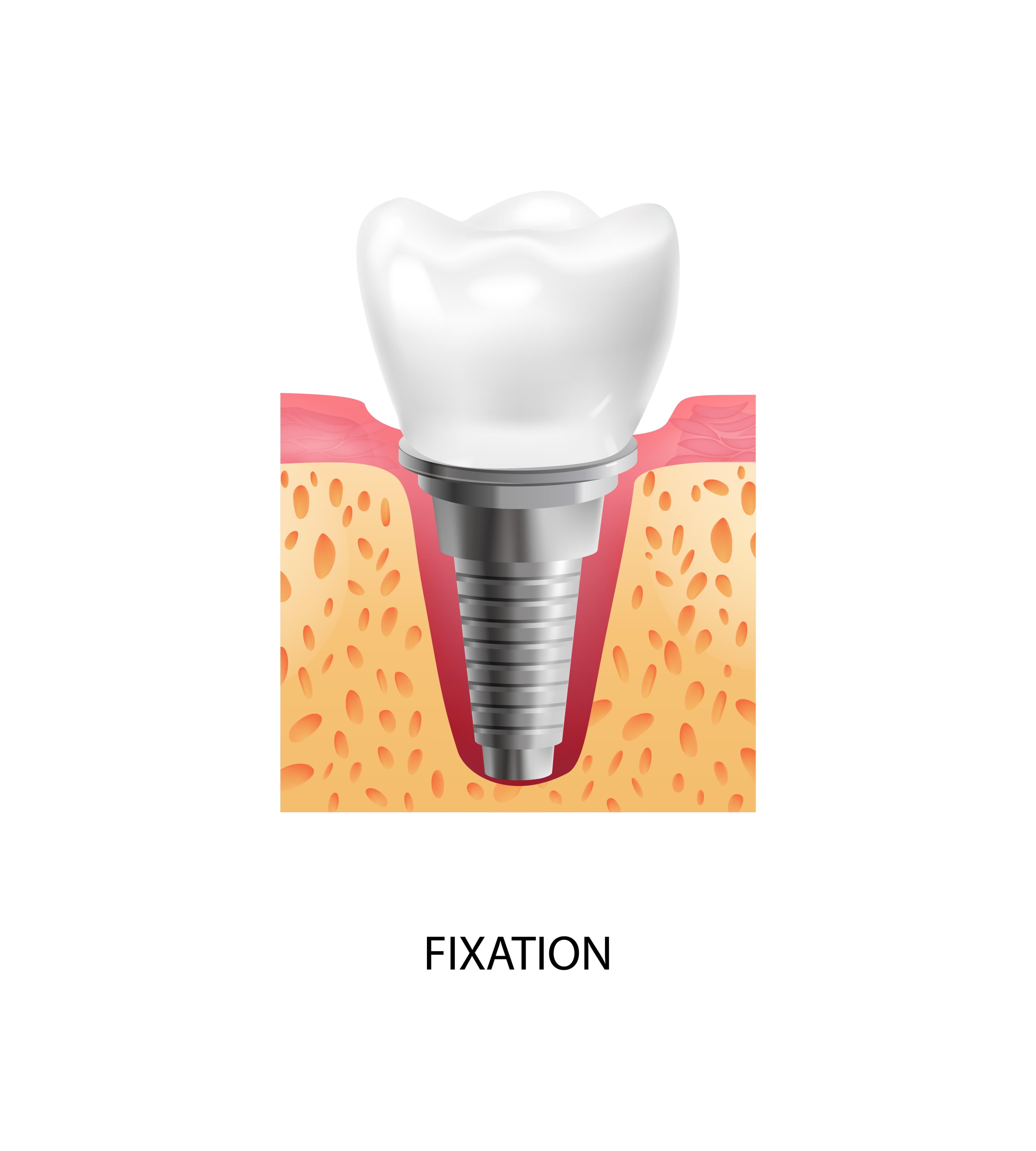
Tooth replacement — Designed to replace both the visible tooth and its natural root.
Understanding Your Teeth Replacement Options
Dental Implant Benefits
Dental implants are considered today's most comprehensive solution for replacing missing teeth because they become securely integrated with your jawbone, creating a stable foundation for your new tooth. The comparison below explores how they differ from other tooth replacement options.
| Feature | Dental Implants | Bridge | Denture |
|---|---|---|---|
| Supports jawbone health | Helps support the jawbone by replacing the root | Does not replace the root | Does not replace the root |
| Daily care | Brush and floss like a natural tooth | Brush and floss with special cleaning techniques | Removed daily for cleaning |
| Stability | Surgically placed in the jawbone | Attached to neighboring teeth | Custom removable appliance |
| Longevity | Designed to last for many years with proper care | Long-lasting with proper care | May require adjustments or replacement over time |
| Everyday feel | Feels and functions like a natural tooth | Fixed in place and designed to blend with your smile | May require time to adjust and becomes more familiar with regular use |
What To Expect During Your Implant Treatment
Your implant treatment will take place over several carefully planned stages, giving your jawbone the time it needs to naturally integrate with the implant before your final crown is placed.
3D imaging and treatment planning
Before treatment begins, we’ll take a Cone Beam Computed Tomography (CBCT) scan to create a detailed three-dimensional view of your teeth, jawbone, nerves, and surrounding structures. This allows us to carefully evaluate your bone anatomy and plan the ideal implant position before any procedure takes place.
Implant placement
Using your CBCT scan as a guide, we’ll carefully select and place the implant that’s best suited to your anatomy, creating a stable foundation for your future restoration. If desired, PRF (Platelet-Rich Fibrin) can also be incorporated into your treatment to support your body’s natural healing process following surgery.
Healing and bone integration
After your implant is placed, your jawbone will gradually integrate with it through a process called osseointegration, which typically takes around 3 to 6 months. This creates the strong, stable foundation needed before your final restoration can be placed. We’ll monitor your healing along the way to make sure everything is progressing as expected.
Your custom restoration
Once the implant is fully integrated, a custom-milled porcelain crown is designed to match the shape, shade, and occlusal contact of your adjacent teeth. The final restoration is seated and adjusted for bite harmony — completing a tooth replacement that functions, feels, and looks structurally identical to a natural tooth.
Questions? We Have Answers.
Common questions about dental implant treatment and recovery.
You may be a candidate for dental implants if you’re missing one or more teeth, have healthy gums, and have enough jawbone to support an implant. The best way to know for sure is through a comprehensive examination, where we’ll evaluate your oral health and determine if dental implants are the right option for you.
It depends on your individual treatment plan. In some cases, a temporary tooth can be placed on the same day as your dental implant. In others, it’s best to allow the implant to heal before placing the final restoration. We’ll explain your options during your consultation and recommend the approach that’s right for you.
The timeline varies from patient to patient. Some treatments can be completed in just a few months, while others may take longer if bone grafting or additional healing time is needed. During your consultation, we’ll explain your treatment plan and give you a clear timeline based on your individual needs.
Dental implants are placed under local anesthesia, so you shouldn’t feel pain during treatment. Some soreness and swelling are normal afterward, but these symptoms are usually manageable and improve over the following days. If you feel anxious about treatment, IV sedation may also be an option to help you feel more relaxed.
Having limited bone doesn’t always mean dental implants aren’t an option. Depending on your individual case, treatments such as bone grafting may help prepare your jaw for a successful implant.
Dental implants have a very high success rate, but like any medical or dental procedure, there is a small risk of complications or implant failure. Good oral hygiene, regular dental visits, and following your aftercare instructions all play an important role in long-term success.
There isn’t an upper age limit for dental implants. The most important factors are your overall health, the condition of your gums, and whether you have enough jawbone to support an implant. During your consultation, we’ll evaluate your oral health and determine if dental implants are the right option for you.
Ready To Replace Your Missing Tooth?
Book an implant consultation to discuss your treatment options and receive a personalized plan for your smile. We'll answer your questions and help you make an informed decision with confidence.
Book a consultation