How Often Should I Change My Toothbrush?
How often should you change your toothbrush? Learn when to replace it, how to clean and store it, and what to know about toothbrush bacteria.
Your toothbrush is one of the most familiar tools in your oral-care routine. Twice a day, it helps remove plaque, food particles and bacteria from your teeth. Once you finish brushing, however, some saliva, toothpaste residue, debris, and microorganisms may remain between the bristles.
A toothbrush can also pick up microorganisms from your hands, nearby surfaces, another toothbrush or the environment where it is stored. Although the idea of toothbrush bacteria may sound unsettling, finding microorganisms on a brush does not automatically mean it can make you sick. Understanding the difference between normal contamination and a meaningful health risk can help you care for your toothbrush without unnecessary worry.
What is Hiding in My Toothbrush?
As soon as you use a new toothbrush, it comes into contact with your oral microbiome: the community of bacteria and other microorganisms that naturally lives inside your mouth. Some of these microorganisms may stay on the brush after use, together with saliva and material removed from the teeth and gums.
The surrounding environment can contribute as well. Research suggests that contamination may be influenced by several factors, including the user’s oral health, how the toothbrush is handled, whether it touches another brush, the amount of moisture around it, and the way it is stored between uses.
This does not mean your toothbrush needs to be sterile. The American Dental Association acknowledges that toothbrushes can harbour bacteria, including bacteria associated with environmental or faecal contamination, but notes that there is no evidence that these bacteria cause adverse health effects. For most healthy people, sensible toothbrush hygiene is more useful than trying to eliminate every microorganism.
Can Toothbrush Bacteria Make Me Sick?
Contamination and infection are not the same thing. Detecting bacteria on an object does not prove that they are present in the amount, condition or pathway required to cause illness. Current evidence has not established that the microorganisms ordinarily found on toothbrushes create a health problem for most users.
Some people may need more individualized guidance. Scientific reviews have identified immunocompromised and critically ill patients as populations for whom toothbrush contamination may require further study. If you have a weakened immune system, are undergoing certain medical treatments or have concerns related to a particular infection, your dentist or healthcare provider can offer advice based on your health history.
One recommendation is clear: toothbrushes should not be shared. Brushing can involve saliva and small amounts of blood, so sharing a brush may transfer bodily fluids and microorganisms between people. The Centers for Disease Control and Prevention (CDC) also identifies toothbrushes as personal items that could transmit hepatitis C if they become contaminated with infected blood.
How To Clean My Toothbrush After Brushing
Learning how to clean your toothbrush does not require an elaborate routine. After each use, rinse the bristles thoroughly under clean running water to remove toothpaste and visible debris. Shake off the excess water, place the brush upright and allow it to air-dry before using it again.
The toothbrush holder deserves attention, too. Water and residue can collect inside cups, stands, and electric toothbrush bases. Cleaning the holder regularly and allowing it to dry helps maintain the area where the toothbrush is stored.
Washing your hands before handling the brush and keeping it away from obvious sources of splashing can also reduce unnecessary contact with environmental microorganisms. These steps will not make a toothbrush sterile, but they can help keep everyday toothbrush care simple and practical.
How Do I Clean My Electric Toothbrush Head?
An electric toothbrush is not automatically more hygienic than a manual one. Its brush head still comes into contact with saliva, toothpaste, debris, and microorganisms, so it should be rinsed after use and allowed to dry. The handle, charging base and connection between the head and handle should be cleaned according to the manufacturer’s directions.
Manual and powered toothbrushes can both remove plaque effectively when used correctly. The best option depends on factors such as comfort, dexterity, dental appliances, and whether the brush helps you clean consistently and gently.
Do I Need to Disinfect My Toothbrush?
For most people, rinsing the toothbrush thoroughly and allowing it to air-dry are practical everyday measures. A toothbrush does not normally need to be sterilized after every use, and the American Dental Association notes that research on the clinical value of toothbrush sanitizing remains limited.
Studies have tested antimicrobial mouth rinses, hydrogen peroxide, and ultraviolet sanitizing devices. Some of these methods have reduced detectable bacterial levels under laboratory conditions. However, lowering the number of bacteria on a brush does not necessarily prove that routine sanitizing provides an additional health benefit for every user.
Avoid putting your toothbrush in a microwave or dishwasher. High temperatures may damage the bristles or other parts of the brush and affect how well it cleans. Household disinfectants and cleaning products that are not intended for oral-care items should not be applied to a toothbrush.
How Should I Store My Toothbrush?
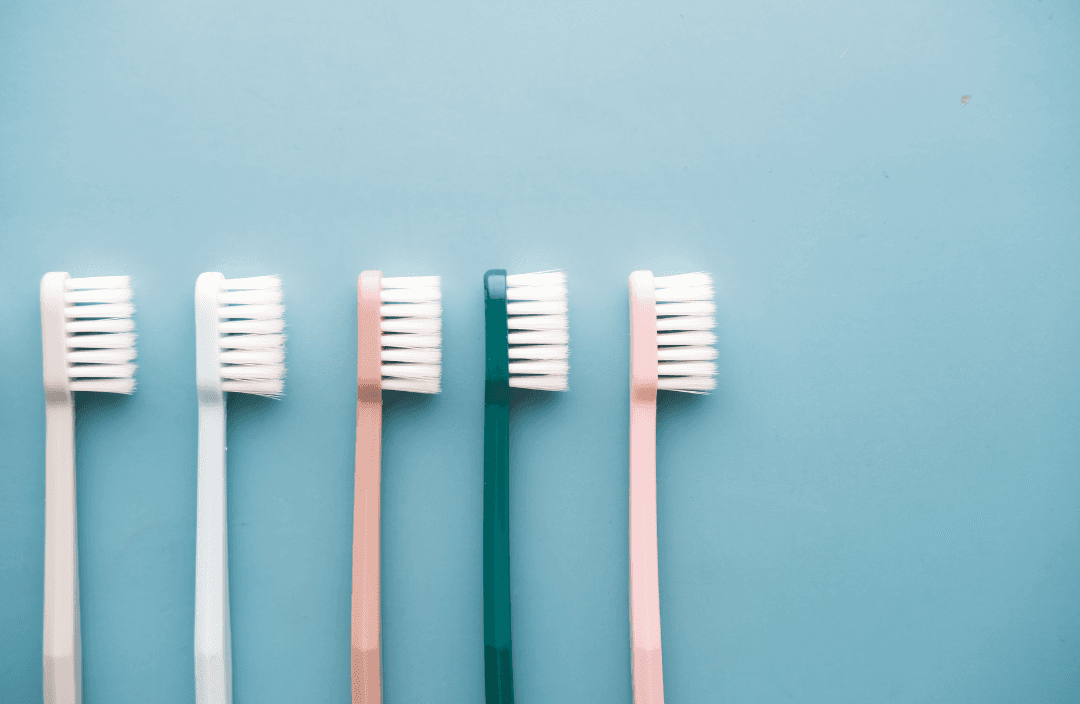
The best way to store a toothbrush at home is upright, in a well-ventilated location where the bristles can dry. If several toothbrushes share the same holder, position them so the heads do not touch. This helps limit the exchange of microorganisms and bodily fluids between brushes.
A closed cover may seem more hygienic, but regularly sealing a wet toothbrush inside an unventilated container can trap moisture. According to the American Dental Association, storing a moist toothbrush in a closed container promotes more microbial growth than leaving it exposed to the air.
During travel, a cover can prevent the bristles from touching the inside of a toiletry bag. When possible, let the toothbrush dry before packing it and choose a cover with ventilation. After arriving, remove the cover and place the brush somewhere it can continue drying. This applies the same principle used at home: avoiding prolonged damp storage.
Can Flushing the Toilet Contaminate My Toothbrush?
Toilet flushing can produce aerosols containing small droplets and particles that travel into the surrounding air before settling on nearby surfaces. Experimental research has demonstrated that particles released during a flush can rise above the toilet and move through the bathroom environment.
A recent study also investigated microbial contamination on toothbrushes stored under different bathroom conditions, including brushes kept with and without covers. The findings support the possibility that the environment around a toothbrush can contribute to contamination, but a single study cannot establish that every toothbrush near a toilet presents a meaningful health risk.
Closing the toilet lid before flushing, keeping the toothbrush away from the toilet and avoiding areas where it may be splashed are reasonable precautions. Even so, hands, sinks, surfaces and contact between brushes are also possible sources of contamination. Where the toothbrush is placed matters, but proper rinsing, separation and drying remain central parts of toothbrush care.
Should I Replace My Toothbrush After Being Sick?
Advice about replacing a toothbrush after an illness is not entirely consistent. The Canadian Dental Hygienists Association recommends changing it after being sick. At the same time, research has not established that an otherwise healthy person will be reinfected by their toothbrush after every routine illness.
Replacing it can still be a simple precaution, especially if the brush is already approaching the end of its recommended lifespan, the bristles are worn or it has been stored close to toothbrushes used by other members of the household.
If you have had a specific bacterial or oral infection, have a compromised immune system or received instructions from a healthcare provider, follow the advice provided for your situation. There is no single answer that applies equally to every illness and every patient.
How Often Should I Change My Toothbrush?
The American Dental Association recommends replacing your toothbrush every three to four months, or sooner if the bristles become visibly matted or frayed. The same general guideline applies when deciding how often to replace an electric toothbrush head.
The condition of the bristles may tell you that it is time for a new brush before the calendar does. Frayed, flattened or widely spread bristles become less effective at cleaning. A toothbrush should also be replaced after obvious contamination, such as being dropped into a toilet.
If your toothbrush begins to look worn unusually quickly, consider how much pressure you use while brushing. The American Dental Association recommends gentle pressure and a soft-bristled toothbrush to help reduce the risk of injuring the gums. Brushing harder does not necessarily produce a better clean.
A Clean Toothbrush is Only Part of the Routine
Proper toothbrush hygiene supports your daily care, but the condition of the brush is only one part of maintaining oral health.
The American Dental Association recommends brushing twice daily for two minutes with toothpaste, a soft-bristled toothbrush, and gentle pressure. Cleaning between the teeth is also important because toothbrush bristles cannot effectively reach every interdental surface.
The goal is not to remove every microorganism from your toothbrush or create a perfectly sterile bathroom. It is to understand which habits make a practical difference: rinse your toothbrush thoroughly, let it air-dry, keep it separate from other brushes, and replace it when the bristles become worn.
At Junction Family Dental Care, education is part of care. By helping you understand the reasons behind everyday recommendations, we want you to feel informed, empowered to make decisions, and supported in building an oral-care routine that works for your health and daily life.
The Junction Family Dental Care Editorial Team
Our articles are reviewed by licensed dental professionals to make sure the guidance you read is accurate, current, and genuinely useful.
Want to see your own bacterial profile?
Every cleaning at Junction Family Dental Care includes a closer look at what's really happening beneath the surface — so you can make decisions with clarity.
Book a Cleaning Assessment